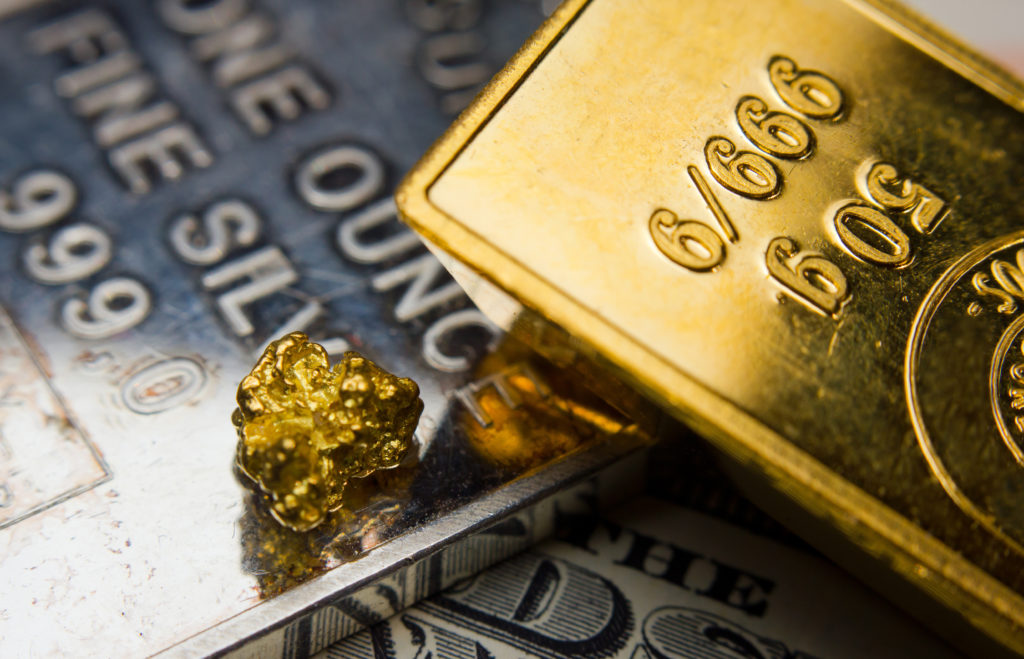
Precious metals investors have witnessed one of the most dramatic silver price breakouts in modern market history.
https://finance.yahoo.com/news/analysts-message-investors-silver-price-143700968.html">According to Yahoo Finance, silver hit an all-time high of $121.64 per ounce on January 29, 2026. Within a day, that price collapsed … but the period since has seen a high-range, high-volatility consolidation. As of March 2026, silver has primarily traded between $80 and $90 per ounce.
The question is, what has caused this silver price breakout and subsequent consolidation? This question has fueled much speculation among investors, analysts, and precious metals advocates. More importantly, will silver continue trading high, or will the price range collapse again?
We contend that understanding the recent bullish market requires an understanding of what’s driving the market. Right now, it seems that multiple technical, economic, and supply-side factors may be aligning.
What a “Silver Price Breakout” Actually Means
Before we get into this, let’s clear up some key definitions needed to understand what a silver price breakout is:
- Resistance level: a specific price ceiling where selling pressure exceeds buying demand, causing an upward price trend to halt or reverse.
- Support level: a price floor where an asset’s price stops falling due to concentrated buying demand.
A silver price breakout takes place when an asset’s price moves above a resistance level or below a support level, typically accompanied by high volume.
Why does this matter? Typically, it means the end of a consolidation pattern.
Historically, https://www.moneymetals.com/investment/investing-in-silver">silver often trades sideways. Put another way, it does not have sustained upward or downward trends for an extended period. At certain times, however, it can have an explosive move that changes the trading trend.
Sometimes, a false breakout can occur. A false breakout takes place when an asset’s price moves above resistance or below support but fails to sustain momentum. Instead, it reverses back into its previous range. A true breakout, then, results in a significant shift in the consolidation of a commodity market.
Notice that by this last note, the recent silver price breakout does constitute an actual breakout. Even in November 2025, silver typically traded around $50-$55 per ounce.
Historical Silver Price Breakouts
Silver has had major breakouts before, typically during periods of:
- Financial stress
- Rising inflation
- Weakening confidence in paper currencies
Here is a chart comparing the two major silver price breakouts in history:
Major Silver Price Breakouts: 1979–1980 vs. 2010–2011
| Category | 1979–1980 Breakout | 2010–2011 Breakout |
|---|---|---|
| Economic Environment | High inflation, energy crisis, and weakening confidence in the U.S. dollar | Post–financial crisis recovery with aggressive monetary stimulus |
| Key Market Drivers | Inflation fears and large-scale silver accumulation by the Hunt brothers | Quantitative easing, low interest rates, and strong investor demand for precious metals |
| Investor Sentiment | Flight to hard assets amid monetary instability | Renewed interest in precious metals as protection against currency debasement |
| Role of Gold | Gold rallied first during inflationary pressures | Gold surged after the financial crisis, pulling silver higher |
| Silver Price Peak | Nearly $50 per ounce in January 1980 | Approximately $49 per ounce in April 2011 |
| Speed of the Rally | Rapid surge after years of relatively low prices | Strong multi-month rally following a long consolidation |
| Key Takeaway | In both cases, silver moved later than gold but rallied more aggressively once momentum built. |
The 1979-1980 Silver Surge
The late 1970s were defined by severe inflation, economic uncertainty, and declining confidence in the US dollar. After the https://www.federalreservehistory.org/essays/bretton-woods-created">collapse of the Bretton Woods system earlier in the decade, Americans faced rapidly rising prices for everyday foods. All the while, inflation rates continued a sharp incline.
Much like today, many investors sought hard assets that hedge against inflation. Precious metals in particular became a popular hedge commodity against rising inflation and economic instability.
One of the most controversial forces in the silver market at that time came from two brothers, Nelson and William Hunt. The Hunt brothers attempted to corner a large portion of the global silver supply, a strategy they pursued by buying massive quantities of physical metal and futures contracts.
Their purchases helped push silver prices dramatically higher. By January 1980, the metal briefly reached close to $50 per ounce. This was an extraordinary shift when one considers that silver had traded below $10 just a few years before.
The 2010-2011 Silver Bull Market
Roughly 30 years later, silver experienced another powerful rally following the 2008 global financial crisis.
To combat the crisis, central banks around the world launched aggressive stimulus programs. These often included https://www.investopedia.com/terms/q/quantitative-easing.asp">quantitative easing and near-zero interest rates policies. These measures flooded financial markets with liquidity and fueled widespread concerns about currency debasement.
Investors responded to this change by pouring money into precious metals. https://www.moneymetals.com/buy/silver/coins">Demand for physical silver coins and bullion skyrocketed, and exchange-traded funds brought new institutional participation into the market.
Similar to the 1979-1980, silver prices climbed to nearly $50 per ounce once again.
What The Breakouts Had in Common
Both of these major rallies were driven by similar forces:
- Rising inflation fears
- Instability in currency systems
- Rapid influx of investors seeking protection in precious metal assets
These times also revealed a pattern:
- Gold typically moved first in times of financial stress
- Silver often follows after gold, but once it does, its movements tend to be faster and more dramatic
Technical Signals of a Silver Price Breakout
While macroeconomics trends often drive long-term precious metals markets, technical traders closely watch chart patterns and indicators for signs that a silver price breakout may be approaching.
One of the most important signals is long-term resistance levels. Resistance represents a price zone where silver has historically struggled to move higher. When the metal repeatedly tests this level over months or years, it forms a multi-year consolidation range.
Markets that trade sideways for long periods often build pressure beneath resistance. When that level finally breaks, prices can move sharply higher.
Technical analysts also monitor momentum indicators to gauge the strength of price movements. Tools like the Relative Strength Index (RSI) and key moving averages help traders identify whether buying pressure is building. Rising momentum alongside steady price gains can suggest that a market is preparing for a breakout rather than fading.
Another common signal appears through breakout chart patterns, including ascending triangles, cup-and-handle formations, and long consolidation bases. These patterns reflect shifts in supply and demand as sellers gradually lose control of the market.
Several additional clues tend to emerge as silver approaches a potential breakout phase. One is rising trading volume, which indicates increasing participation and conviction among buyers. Higher volume often confirms that a move is gaining strength.
Another historical pattern involves the relationship between gold and silver. Gold typically begins trending higher first during precious metals bull markets. As momentum builds in gold, investors often rotate into silver in search of greater upside.
Because silver markets are smaller and https://www.moneymetals.com/guides/best-way-to-buy-gold-and-silver">more volatile than gold, technical traders pay close attention during these periods. Once silver breaks through major resistance, the move can unfold quickly, which rewards those who recognized the signals early.
Macro Forces That Could Drive Silver Higher
Several large-scale factors can drive a silver price breakout. Three major ones include:
- Inflation and currency debasement
- Real interest rates
- Global debt and financial instability
Let’s talk about what these mean in greater detail.
Inflation and Currency Debasement
During times of high inflation and currency debasement, precious metals quickly become attractive options for investors. The reason for this is that precious metals have intrinsic value that makes them a natural hedge against inflation.
Typically, gold is the preferred precious metal for investors who seek long-term hedging against inflation and debasement. However, many people will also invest in silver.
This interest in silver even extends beyond individual investors. As the US dollar has weakened, several central banks have purchased gold to decrease reliance on the dollar. However, in 2026, some central banks have gone further; they have allocated funds for silver purchases.
https://www.tradingkey.com/analysis/commodities/metal/261487879-2026-silver-physical-squeeze-strategic-asset-tradingkey">Trading Key lists some of these countries as:
- Russia
- India
- Saudi Arabia
Real Interest Rates
Negative real interest rates refer to instances when inflation exceeds nominal interest rates. Often, these negative real interest rates support precious metals by lowering the opportunity cost of holding non-yielding assets.
What does that mean for investors? Simply put, it makes gold and silver attractive hedges against purchasing power loss. Bonds often become less attractive in such conditions, making precious metals the biggest investment for wealth preservation.
One of the other critical reasons for this is that gold and silver do not pay interest or dividends. When interest rates are high, precious metals are often less attractive. When real rates are negative, the cost of missing out on interest income from bonds or cash is minimal, it boosts the relative appeal of precious metals.
Global Debt and Financial Instability
Global debt and financial insecurity also typically boost silver prices by driving investors toward safe-haven assets. This trend is particularly during periods of high inflation or currency devaluation.
Because silver is a non-yielding asset, as well as a tangible one, it thrives on fiscal instability. In particular, it thrives on falling, low-interest rates.
Supply and Demand Trends in the Silver Market
Three major factors impact supply and demand trends in the silver market:
- Industrial demand growth
- Physical investment demand
- Mining supply constraints
Industrial Demand Growth
One of the biggest influences on silver supply and demand has been industrial demand growth. Silver is a metal with tremendous industrial value because of some of its scientific properties.
First, silver is a highly conductive metal. It is excellent at conducting electricity and heat.
Second, it is an antibacterial metal. That makes it perfect for medical devices.
Because of these factors, silver has become a critical component in the medical, industrial, automotive, and electronic sectors. Specifically, silver is used in some of the following devices:
- Solar panels
- Electric vehicles
- Stethoscopes
- Smartphones
Physical Investment Demand
The demand for a physical investment drives silver prices for basic economic reasons. Silver has a limited supply; therefore, when there is a high demand, prices rise to ensure the supply does not deplete too rapidly.
There are two main methods for purchasing silver in physical form:
- Coins
- Bars
Rounds are a third way of buying physical silver; these items look like coins, but come from private mints. They do not have legal tender status or the recognizability that coins often have.
Retail investors have also become interested in silver. One of its biggest retail uses is in jewelry, often as sterling silver. Sterling silver has a 92.5% silver composition, with the remaining 7.5% coming from a copper alloy. This copper element gives the metal increased luster and durability.
Mining Supply Constraints
Another factor that affects silver prices is the constraint of mining production. Silver mining has an interesting feature that sets it apart from other metals; namely, silver is rarely the focus of mining.
Instead, silver is usually a byproduct of other metal mining. This has interesting implications for the silver market.
First, it means that silver mining does not always respond to price demands. Mining companies do not shift focus to find more silver when the prices increase. As a result, it can take time for silver mining supply to catch up with the market demand.
This delay can be exacerbated by geopolitical tensions and conflicts. Metal mining is an international industry; increased taxes, tariffs, embargos, sanctions, and other factors can keep silver from hitting the market.
What Happens When Silver Breaks Out
When silver finally breaks above a major resistance level, the market often enters a fast-moving phase. Unlike many assets that trend gradually, silver has a history of rapid and sometimes dramatic price accelerations once momentum builds.
The first stage of a breakout usually attracts technical traders and institutional investors who closely monitor chart patterns. When resistance is clearly breached, these participants often enter the market quickly. When this occurs, it adds immediate buying pressure.
The second phase begins as silver prices continue rising. Momentum traders and hedge funds may increase their positions, and silver’s volatility tends to expand. At this point, the breakout starts becoming more noticeable across financial markets.
Eventually, retail investors notice the trend and begin participating in it. This prompts more notoriety, including:
- Expanding media coverage
- Social media discussion
As the movement gains more visibility, it attracts investors who previously ignored silver. This move causes an influx of new buyers, which amplifies the movement further.
Another important feature of silver breakouts is the ways they can affect related assets. Silver mining stocks frequently outperform the metal itself during strong rallies because rising prices can significantly increase mining company profit margins.
What does this mean for the market? It means that both physical silver and silver mining equities receive a flow of capital.
These dynamics often create a powerful feedback loop:
- Rising prices attract new buyers
- The increased demand pushes prices higher
Because silver markets are relatively small compared to other major asset classes, it does not take enormous capital flows to drive large price swings. Once a breakout begins, the move can develop swiftly. Investors who recognize the setup early get to reap the most reward.
How Investors Position Themselves for a Silver Breakout
When investors begin anticipating a potential silver price breakout, many look for ways to gain exposure before prices accelerate. Because silver can move quickly once momentum builds, positioning early is often part of the strategy.
For many investors, the simplest approach is owning physical silver. Bullion coins and silver bars provide direct https://www.moneymetals.com/silver-price">exposure to the spot price itself without relying on financial intermediaries.
Physical ownership also eliminates counterparty risk that can exist in paper-based investments. As a result, many precious metals investors view physical silver as the foundation of their allocation.
Silver Mining Stocks
Other investors choose exposure through silver mining stocks. Mining companies often provide leverage to rising silver prices because their profits can increase dramatically when the metal’s price climbs.
However, mining stocks also come with additional risks, including:
- Operational challenges
- Political factors
- Management decisions
The key takeaway from this is that, while silver mining stocks can offer dividends and returns, they can also be more volatile than the metal itself. That volatility can increase investment risk.
Silver Exchange-Traded Funds (ETFs)
Some investors prefer exchange-traded funds (ETFs) or other paper silver products because they offer liquidity and convenience. ETFs allow investors to gain exposure to silver price movements without storing physical metal. That said, some investors remain cautious about relying solely on paper instruments tied to the silver market.
Many long-term investors also use dollar-cost averaging when building a position. Instead of trying to perfectly time a breakout, they gradually accumulate silver over time. This approach reduces the risk of entering the market at a temporary peak.
Ultimately, different investors choose different strategies, but the goal is the same: gaining exposure before silver’s next major move unfolds.
Frequently Asked Questions (FAQ)
Q: What is a silver price breakout?
A: A silver breakout occurs when silver rises above a key resistance level that previously prevented prices from moving higher. After trading within a defined range for months or years, a breakout signals that buying demand has overcome selling pressure. When this happens, prices can sometimes accelerate quickly as traders and investors enter the market.
Q: Why does silver often move after gold?
A: Historically, gold tends to lead precious metals bull markets. Investors often buy gold first because it is viewed as the primary monetary metal and a safe-haven asset. As gold prices rise and confidence builds in the broader metals market, investors frequently shift their attention to silver. Because silver’s market is smaller, this influx of capital can drive faster and more volatile price moves.
Q: What factors could trigger a silver breakout?
A: Several conditions can contribute to a silver price breakout. Rising inflation, declining confidence in fiat currencies, and negative real interest rates often push investors toward precious metals. Strong industrial demand for silver, particularly from solar energy and electronics, can also tighten supply and support higher prices.
Q: Is silver more volatile than gold?
A: Yes. Silver is generally more volatile than gold because its market is smaller and it serves both monetary and industrial roles. This means price swings can be larger in both directions. While this volatility can increase risk, it also explains why silver has historically delivered some of the most dramatic rallies during precious metals bull markets.
Silver Price Breakout Takeaways
The recent silver price breakout came after years of silver remaining fairly quiet. It had the features of typical silver trade, with sideways price volumes that built into a period of high price rises. Indeed, as noted earlier, silver traded at just $50-$55 in November 2025 before doubling that price in January 2026.
Since then, silver has consolidated with a price range typically falling between $80-$90. It is unclear how long that will continue. Whether the current silver price breakout trends continue or pause, the underlying forces shaping the silver market remain powerful.
What does that mean for an investor? First, it’s not too late to invest in silver. Just because silver already reached a historic high does not mean it cannot be a good investment, nor does it mean that a breakout cannot happen again.
So, it’s a good idea to have some silver in your portfolio. Including it now positions you better to take advantage of a future breakout.
Second, even if a breakout is a long time in coming, silver continues its traditional purpose of hedging against inflation and devaluation of the dollar. In times of economic and geopolitical uncertainty, silver can still offer security.
Investors can benefit from researching current silver prices and assets to see if they fit into their financial strategies. You can begin that research by https://www.moneymetals.com/buy/silver">checking out our silver inventory. We have a wide range of silver products to help investors find some security in uncertain times. Find the best products for your portfolio today!